In a world where emotions manifest as beasts, Chi keeps hers caged as she crosses the soldier-ridden forest. But when her unruly little sister drags them into trouble, she must accept her feelings to set the stone lion free.
Wisp FX
WISP CHARACTER:
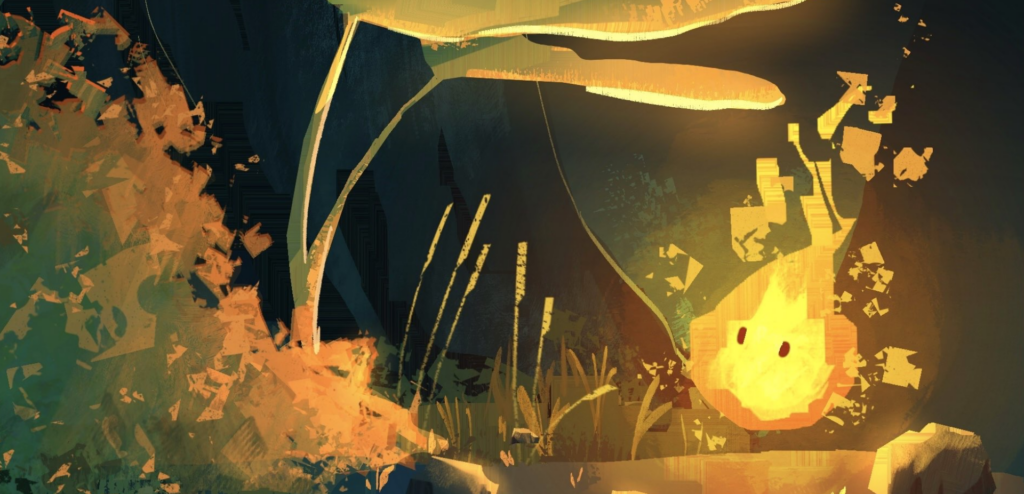
The Wisp is six-year-old Em’s emotion in the form of a small fire creature with the ability to shapeshift into different animal forms. This character captures the spirit of a young and reckless kid. It is important for the fire to help emphasize the wisp’s performance and and reflect Em’s emotions. I have included my early tests and processes of the Wisp, as well as some technical breakdowns below!
BREAKDOWN:
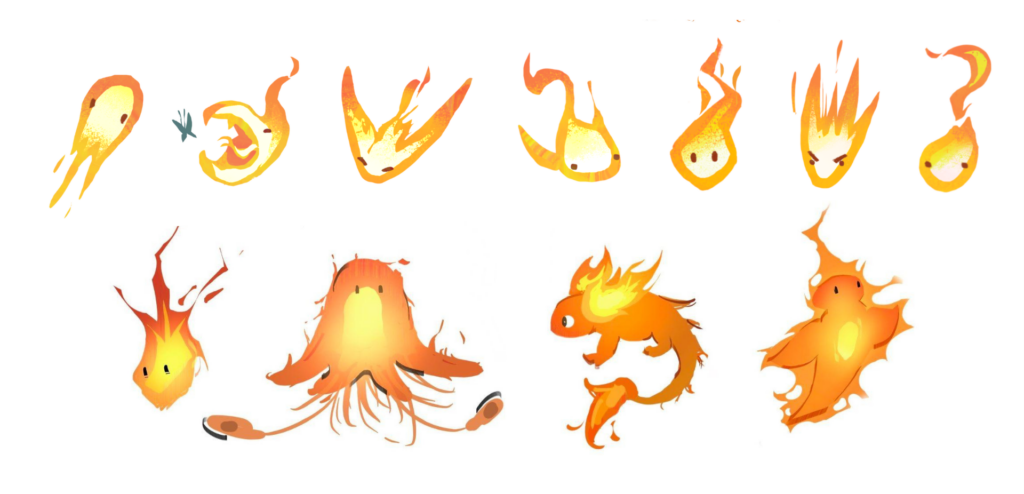
From the original Wisp concepts and additional stylized, painterly references (Puss In Boots: The Last Wish, The Wild Robot), I looked at for fire. One of the main things I noticed was the solid colors of fire stacked like layers, rather than a gradient like real fire. This is why I approached this setup in layers to be composited together, after a few attempts with a single simulation and shader.
Layers:
Flame (Body + Wings) Exterior
Flame (Body + Wings) Interior
Embers
Eyes
Brushstroke Particles
Here are some of my favorite Wisp FX shots from the film!
PROCESS AND TESTS:
Development of the Wisp character
Some early Wisp FX tests from summer along with early Wisp concepts (by Nancy Zheng) that helped us figure out the current style of it:
First test with the updated rig from Bo Meredith and some animation! With this test, I also explored more of the character design by making solid interior and exterior flames as well as some embers coming from all sides.
Some more animation tests + testing out the look of the particles with animation by Ryan Hong. We decided to go more in the direction of C, with larger particles, but a smaller amount to feel like brushstrokes.
We tested out having the wisp on ones and twos. The animation was done on ones, but converted to twos in Houdini, after simulation. We decided to keep the wisp in ones after this test. Animation by Ryan Hong.
Ones
Twos
To further integrate the Wisp with the painterly style of our film, I did tests of brushstrokes within the actual flame, using camera-oriented cards advected by the flame. The first tests included a lot of color jitter throughout. I did tests with particles only contained in the shape of the flame and some that break up the edges.
In some newer tests, I created a version with a gradient in the brushstrokes (Left). We felt that this would be less distracting than the color jitter version (Right), but still give the wisp some texture!
Tests with the particle trails+ transformation in flying Wisp shots. We wanted the particle trails to be more distinct and only come from the tips, rather than the whole wing like some of out original tests. Animation by Rebecca Otto.
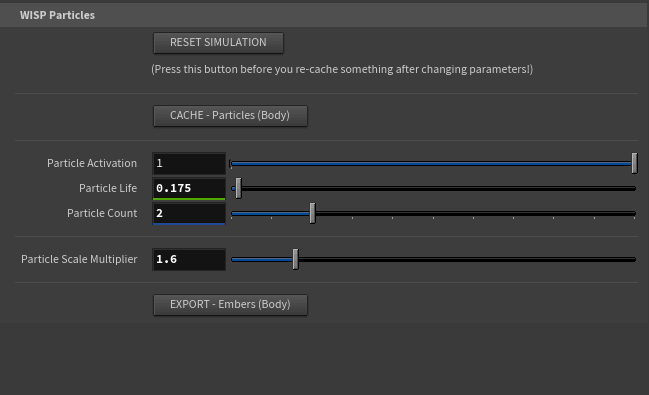
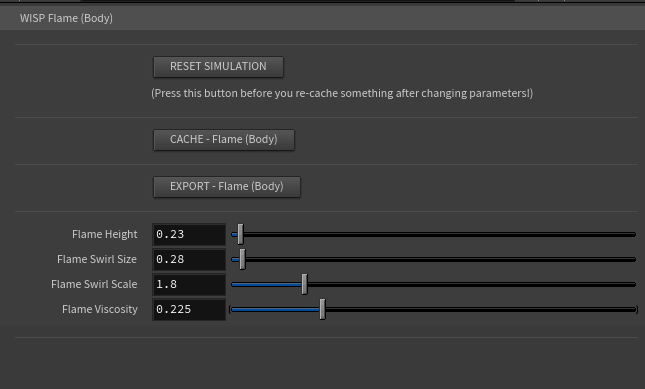
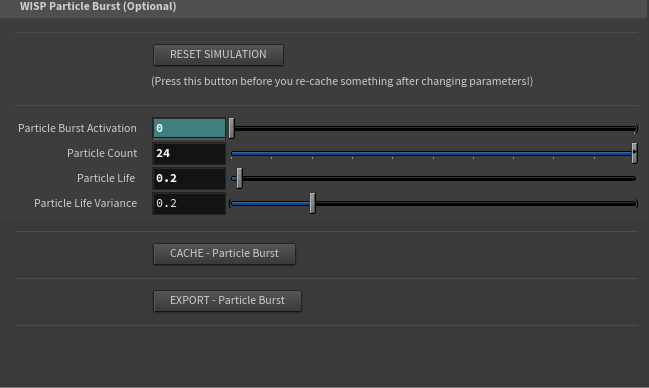
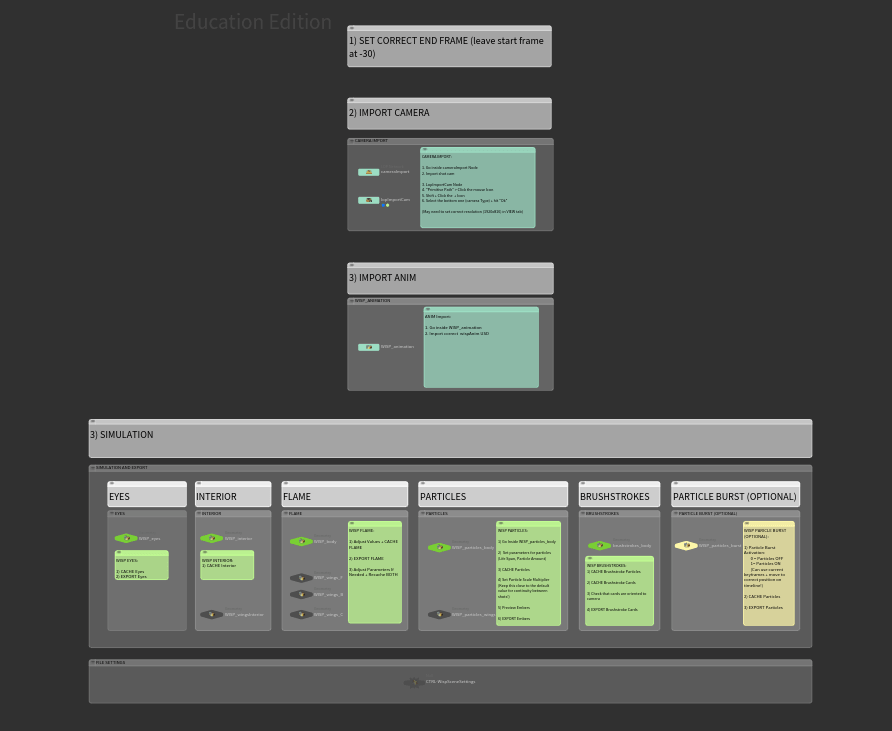
Since this setup needs to be used and adjusted per shot, I created an organized setup with custom controls to ensure consistency in the Wisp FX across multiple shots and multiple artists.